


 iGaming
The Grind and the Glory: What Separates Casual Players from iGaming Pros
-
Oliver Bennett
-
20 November 2026
6 mins read
Comments
views
There’s a moment in every poker session, slot spin, or sports bet where luck stops being the story. The cards fall your way, the reels align, the underdog covers the spread—and for a second, you feel like a genius. Then the next hand, spin, or match reminds you that the house always has an edge. The question is: what do you do with that edge? Casual players ignore it. Professionals study it, exploit it, and ultimately, respect it. The difference between the two isn’t just bankroll or skill—it’s a mindset.
iGaming is a broad church: online casinos, sportsbooks, poker rooms, live dealer tables. Each vertical has its own rhythm, but they all share one truth—the math never sleeps. Whether you’re spinning slots at 3 a.m. or grinding a Sunday poker tournament, your long-term results are determined by decisions, not destiny. Let’s break down what actually moves the needle.
The House Edge: Your Invisible Opponent
Every game you play carries a built-in advantage for the operator. That’s not a conspiracy; it’s the business model. But the size of that edge varies wildly—and knowing it is the first step toward playing smarter.
- Slots: RTP (Return to Player) typically ranges from 92% to 97%. A 96% RTP means the house keeps 4% of all money wagered over millions of spins. High-volatility slots like Book of Dead can go hundreds of spins without a win, while low-volatility games pay small but frequent.
- Blackjack: With perfect basic strategy, the house edge can drop to 0.5%. Play badly, and it balloons past 2%. The difference is thousands of dollars over a year.
- Poker: You’re not playing the house; you’re playing other players. The rake (5–10% of each pot) is the house’s cut, but skilled players can still win long-term.
- Sports betting: Standard vig is -110 on both sides, implying a 52.4% break-even rate. Beat that consistently, and you’re a pro.
The takeaway? Not all bets are created equal. Choose games with lower edges and you give yourself a fighting chance. That’s why sharp players gravitate toward blackjack, poker, and selective sports bets—not penny slots with 85% RTP.
Bankroll Management: The Art of Not Going Broke
You can have a PhD in probability and still bust if you bet too big. Bankroll management isn’t sexy, but it’s the bedrock of longevity. Here’s how pros think about it:
- Set a dedicated bankroll. Money you can afford to lose without affecting your rent, groceries, or sanity. Never dip into savings.
- Use unit sizing. A unit is 1–5% of your total bankroll. In poker, buying in for 100 big blinds is standard. In sports betting, 1–2% per play keeps variance survivable.
- Adjust as you go. If your bankroll drops 30%, cut your unit size proportionally. If it grows, you can gradually increase—but don’t get cocky.
- Track everything. Spreadsheets, apps, notebooks—whatever works. Pros know their ROI, win rate, and downswings intimately.
Casual players deposit $200 on a Friday night, play $5 slots, and wonder where it went by midnight. Pros make that $200 last for weeks, treating each bet as a calculated risk. A detailed guide is available at สล็อตเว็บตรง.
Poker: Where Skill Actually Wins
If you want the purest test of iGaming skill, look at poker. Unlike slots or roulette, your decisions directly affect your results—and the best players consistently extract money from weaker ones. But ‘good’ poker isn’t about gut feelings. It’s about ranges, pot odds, and exploiting leaks.
Take a common scenario: you’re in the cutoff with A♠ J♠. A tight player raises from early position. A casual player calls because ‘I have an ace.’ A pro 3-bets or folds, depending on the opponent’s range. Why? Because calling with a dominated ace is a long-term losing play. The pro knows that over 10,000 hands, that decision costs or earns hundreds.
Another example: facing a river bet on a missed flush draw. The casual player calls ‘to keep them honest.’ The pro calculates: pot odds, opponent’s bluff frequency, and their own perceived range. If the math says fold, they fold—no ego involved.
Tools like GTO solvers and HUDs (Heads-Up Displays) have raised the bar. But the core remains: play tight, play aggressive, and never stop studying. Online poker is a meritocracy—if you’re good, you’ll climb. If you’re not, the rake will eat you alive.
Slots and Casino Games: Entertainment vs. Expectation
Let’s be blunt: you cannot consistently beat slots. No strategy, no pattern, no ‘hot’ machine changes the RNG (Random Number Generator). That doesn’t mean slots are a waste—they’re entertainment, and if you treat them as such, they’re fine. The problem is when players chase losses or believe in ‘due’ wins.
Smart slot play looks like this:
- Choose high-RTP games. 97% is better than 94%, over time.
- Understand volatility. High-volatility slots (e.g., Bonanza) pay rare but huge. Low-volatility (e.g., Starburst) pay often but small. Match the game to your bankroll.
- Set win/loss limits. If you’re up 50% or down 50%, walk away. The machine doesn’t know or care.
- Use bonuses wisely. Wagering requirements matter. A 100% match with 40x playthrough is often worse than a 50% match with 20x.
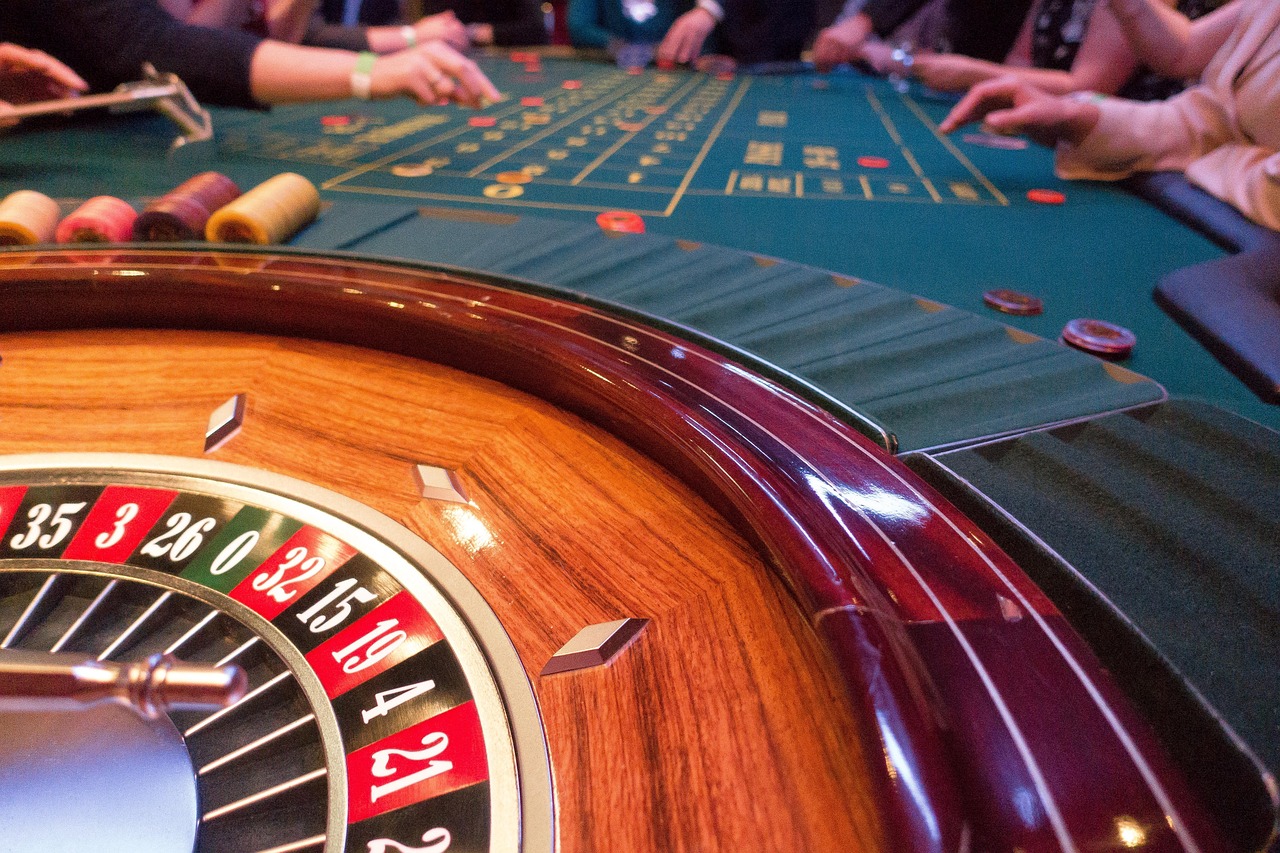
Live dealer games add a human element—and a faster pace. Blackjack and baccarat offer better odds than most slots, but only if you know basic strategy. Roulette? European wheel (single zero) has 2.7% house edge; American (double zero) has 5.26%. Always pick European.
Sports Betting: Information Is Your Edge
Sports betting is not gambling—it’s investing with a scoreboard. The pros don’t bet with their hearts. They bet numbers. They track line movements, injuries, weather, and public bias. They understand that a -110 line on a coin-flip game is a trap, but a +150 underdog with a 45% win probability is value.
Consider this: an NFL team is getting 70% of public bets but the line hasn’t moved. That’s a red flag—sharp money is on the other side. Pros either fade the public or stay away. Casual bettors see a ‘lock’ and pile in. Guess who wins long-term?
Also, shop for lines. Different sportsbooks offer different odds on the same game. A half-point in basketball or a few cents in soccer can turn a losing season into a winning one. Use odds comparison tools. And never bet on your favorite team just because you love them.
The Discipline Dividend
Here’s the uncomfortable truth: most people lose at iGaming. Not because the games are rigged, but because they play emotionally. They chase losses, ignore bankroll rules, and treat luck as a strategy. The pros—the ones who actually profit—treat iGaming like a part-time job. They study, they track, they set limits, and they walk away when the edge is gone.
That doesn’t mean you can’t enjoy a casual session. Spin the slots, bet on the game, enter a poker tournament. But if you want to be more than a casual player, start thinking like a pro. Respect the math. Manage your money. And remember: the house always has an edge—but you don’t have to give them more than necessary.

Lena Marcelline
Culture & Lifestyle WriterTheo’s work connects emotion and design, turning ideas into conversations that inspire new ways of seeing.
Weekly trending


Categories


Spotlight
A Beginner's Guide to Tiling a Kitchen Splashback
Preparing a Concrete Floor Before Laying Porcelain Tiles
Choosing Frost-Resistant Tiles for Patios and Garden Paths
Essential Tools for Cutting Ceramic Tiles Safely at Home